20 Fitness Vision Boards That Transform Your Health Journey
Vision boards aren’t just collages—they’re psychological tools that activate your brain’s reticular activating system, the filter that helps you notice opportunities aligned with your goals. When it comes to fitness, a well-crafted vision board can be the difference between another failed New Year’s resolution and a genuine lifestyle transformation.
Let me share with you 20 distinct fitness vision board concepts, each designed for different goals, personalities, and stages of your wellness journey. But first, let’s understand why they work.
The Science Behind Fitness Vision Boards
Your brain processes visual information 60,000 times faster than text. When you repeatedly expose yourself to images of your desired fitness outcome, you’re essentially programming your subconscious mind to recognize and pursue opportunities that align with that vision.
Olympic athletes have used visualization techniques for decades—your vision board is simply a tangible, daily reminder that keeps this process active.
The key is specificity and emotional connection. A generic picture of abs won’t motivate you at 5 AM when your alarm goes off. But an image of yourself hiking with your grandchildren, or crossing a marathon finish line, or feeling confident in a particular outfit—that creates an emotional pull strong enough to overcome resistance.
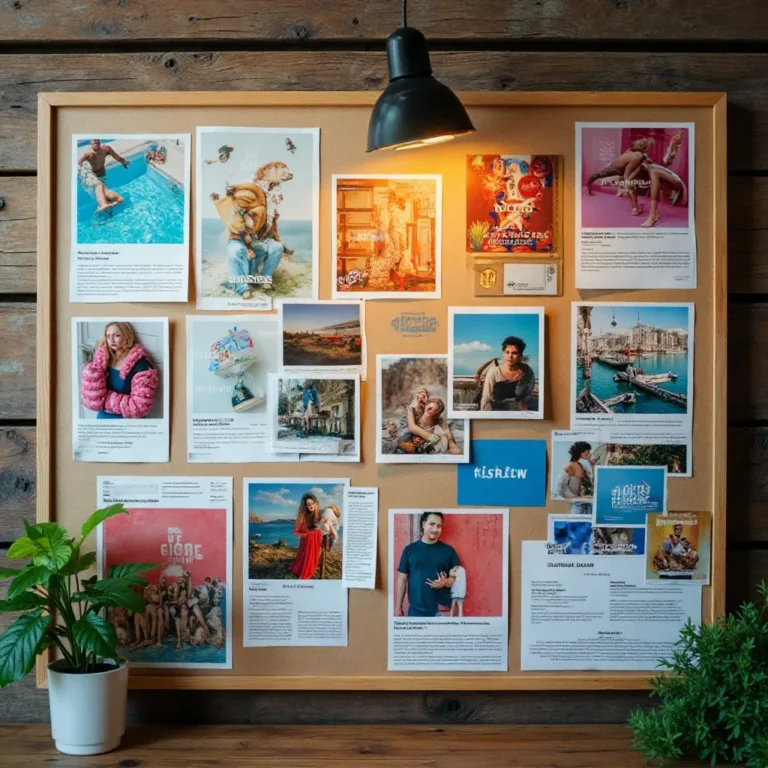
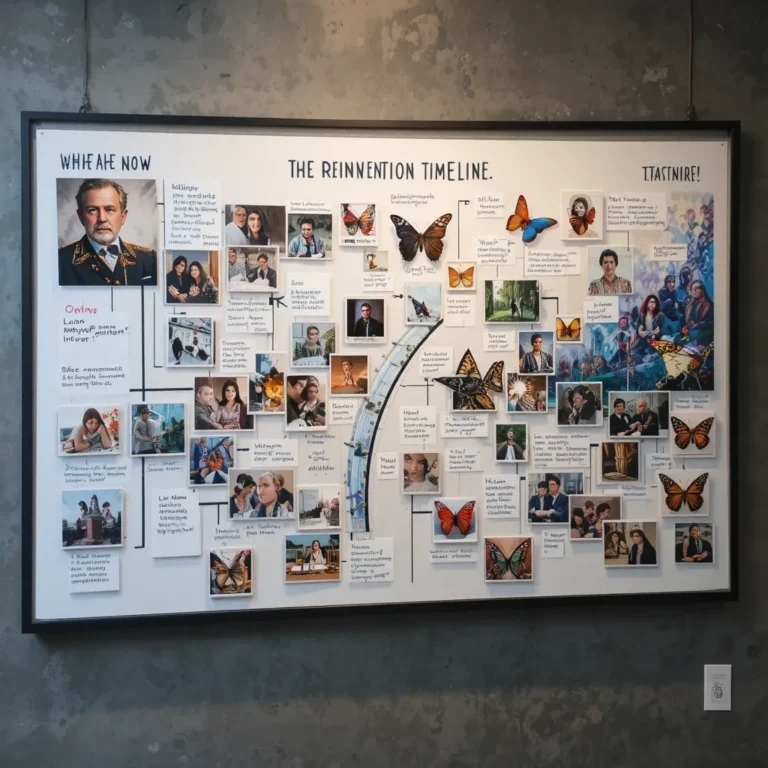
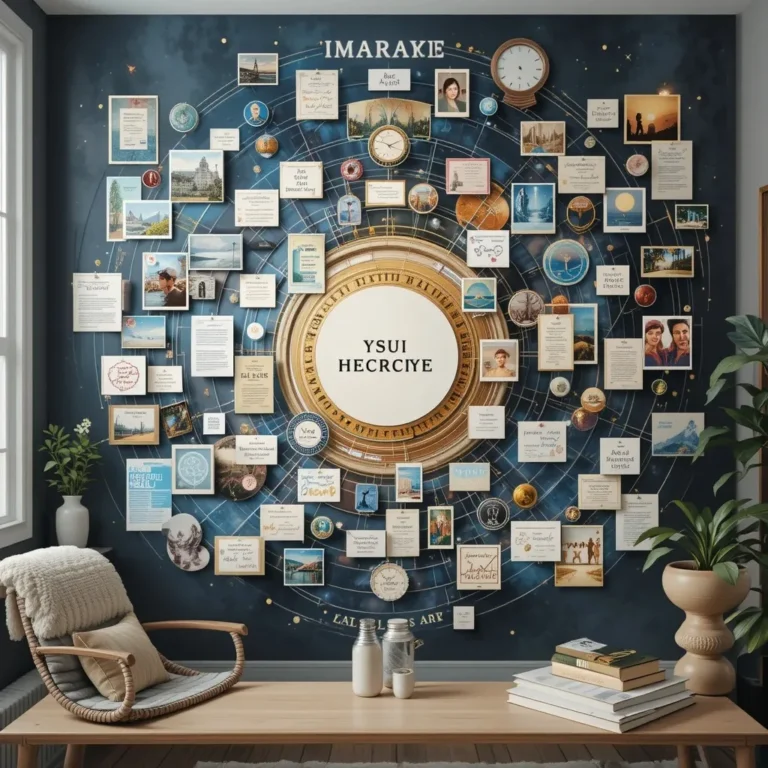
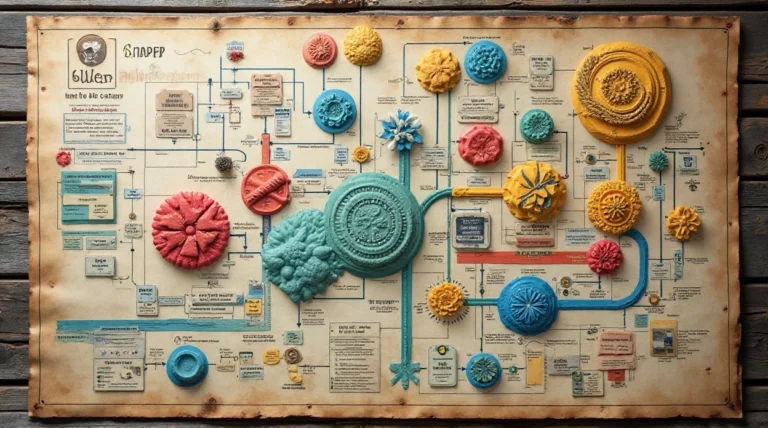
NOTE: The images just ideas so if you cant read the words, just take ideas of boards
20 Transformative Fitness Vision Board Concepts
1. The Athletic Achievement Board
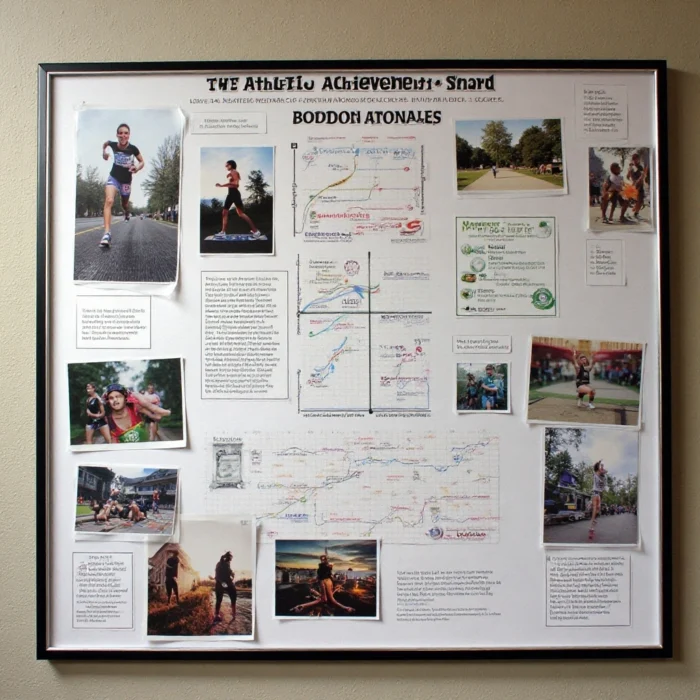
This board centers on a specific performance goal: running your first 5K, completing a triathlon, deadlifting your bodyweight, or mastering a handstand.
What to include: Race bibs, finish line photos, training schedules, progression timelines, motivational quotes from athletes you admire, and most importantly—intermediate milestones. Don’t just show the end result. Include images representing week 4, week 8, and week 12 of your journey.
Pro tip: Add a small envelope to your board containing index cards with monthly mini-goals. Each month, open one card and focus intensely on that specific target. This creates a sense of unwrapping progress rather than facing one enormous, intimidating goal.
2. The Body Composition Transformation Board
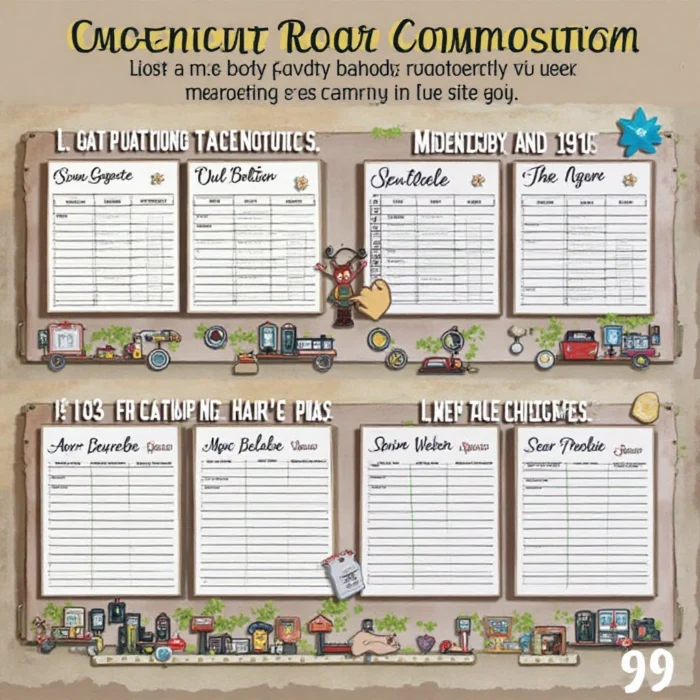
This is for those focused on aesthetic changes—building muscle, losing fat, or both.
What to include: Progress photo spaces (leave actual blank spaces where you’ll add YOUR monthly photos), measurements tracking sections, before-and-after transformations that inspire you, meal prep ideas, workout splits, and recovery strategies. Include images of the specific muscle groups you’re developing.
Critical element: Add a “Non-Scale Victories” section. Include images representing: clothes fitting better, increased energy, improved sleep, better mood, clearer skin, stronger nails and hair. Physical transformation encompasses so much more than the scale.
3. The Functional Fitness Board
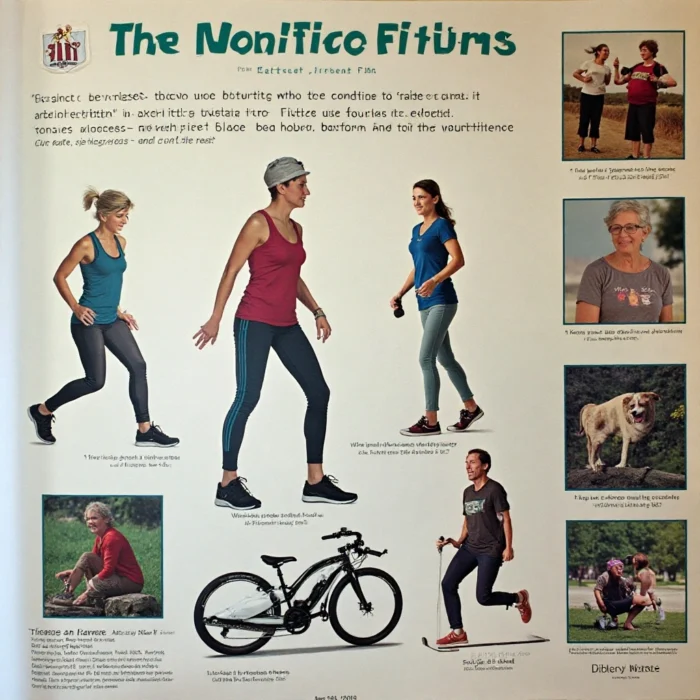
For those who want to move better, prevent injury, and maintain independence as they age.
What to include: Images of people in their golden years hiking, playing with grandchildren, gardening without pain, traveling actively. Include mobility exercises, flexibility goals, balance challenges, and functional movement patterns. Add pictures of activities you want to maintain throughout your life.
Unique addition: Create a “Future Self” section. Find or create an age-progressed photo of yourself and surround it with activities you’re training to do decades from now. This long-term perspective shifts fitness from vanity to vitality.
4. The Mental Health Warrior Board
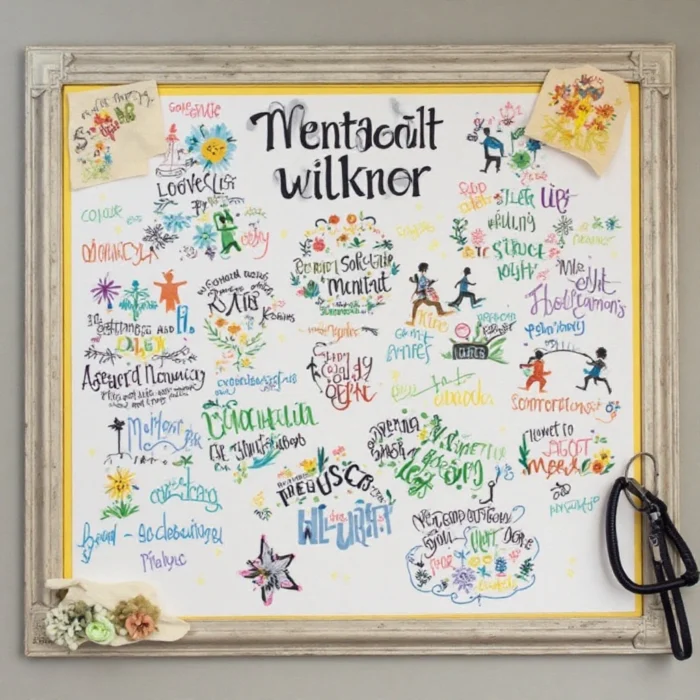
This board acknowledges that fitness is primarily about mental wellness.
What to include: Images representing reduced anxiety, better sleep quality, improved confidence, stress relief, endorphins, the runner’s high, meditation in motion, and nature therapy. Include brain imagery showing neuroplasticity, serotonin molecules, or anything representing the mental benefits of movement.
Powerful addition: Create a mood tracking section. Use color codes or emoji stickers to mark how you felt after each workout. Over time, this visual pattern becomes undeniable proof that movement improves your mental state.
5. The Adventure Fitness Board
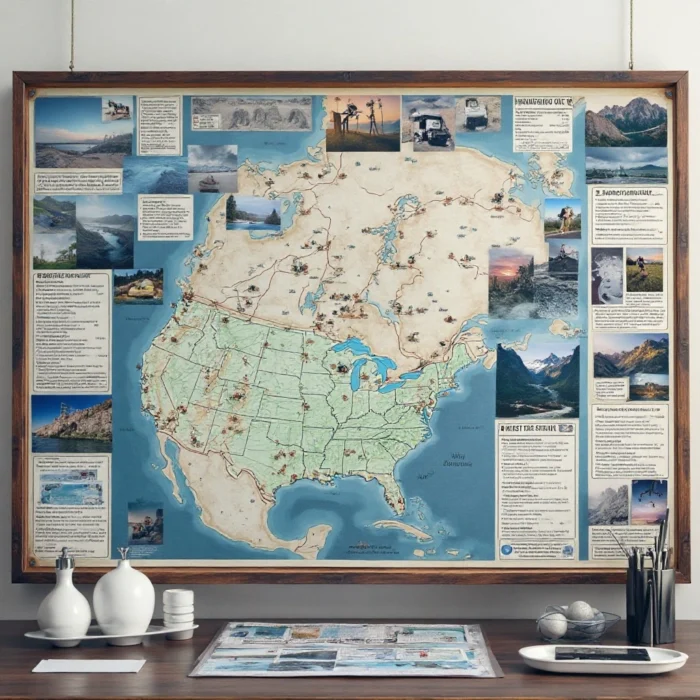
For those motivated by experiences rather than aesthetics.
What to include: Destinations you want to hike, mountains to climb, water sports to try, adventure races to complete, national parks to explore, fitness travel experiences. Include rock climbing, kayaking, surfing, skiing, or whatever adventures require the fitness level you’re building.
Make it real: Don’t just dream—plan. Include actual dates, booking information, training timelines required for each adventure, and estimated costs. This transforms fantasy into tangible goals with deadlines.
6. The Strong Parent/Grandparent Board
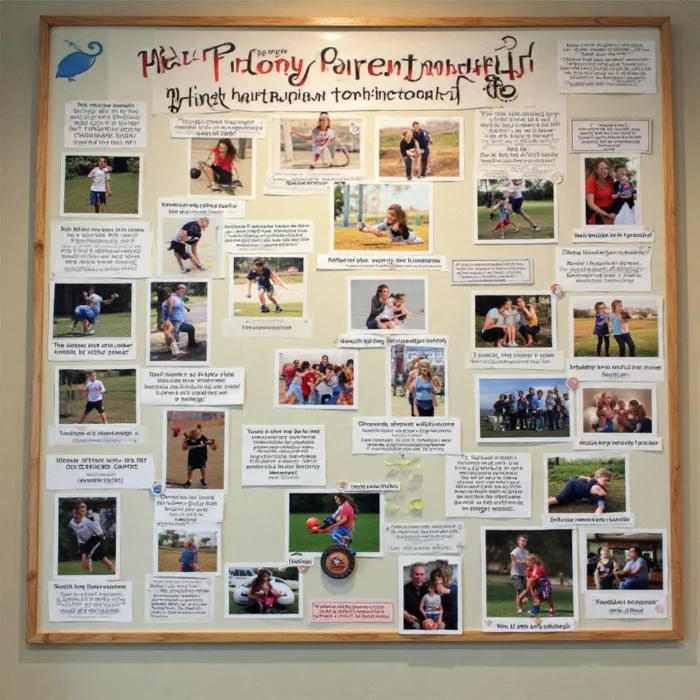
Fitness motivated by being present and capable for your family.
What to include: Images of parents playing actively with kids, carrying children without strain, keeping up on family hikes, teaching sports, being the “fun” parent at the playground. Include photos of YOUR children or grandchildren engaged in activities you want to join them in.
Emotional core: Add quotes or notes about why you’re doing this. “I want to play soccer with Jake without getting winded.” “I want to carry Emma upstairs when she falls asleep.” “I want to be alive and active for their graduation, wedding, and beyond.”
7. The Athletic Aesthetic Board
Combining performance with appearance goals.
What to include: Images of athletic bodies in action—not just posing, but performing. Sprinters mid-stride, gymnasts in motion, dancers leaping, martial artists executing techniques. This focuses on capable, powerful bodies rather than static poses.
Balance element: For every aesthetic image, include a performance metric. If you show defined shoulders, also show a push-up progression or handstand goal. This keeps your focus on what your body can DO, not just how it looks.
8. The Habit Stacking Board
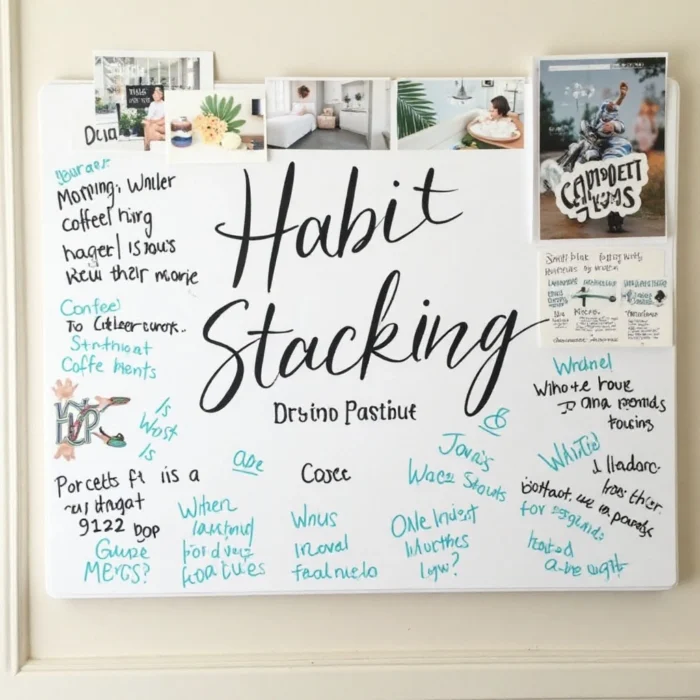
This board is about integrating fitness into your existing life seamlessly.
What to include: Your daily routine mapped visually with fitness integrated naturally. Morning stretching while coffee brews, lunchtime walks, evening yoga, weekend adventures. Include images of workout clothes laid out the night before, meal prep Sundays, calendar blocking for workouts.
Implementation focus: Add trigger-based habit cues. “After I brush my teeth, I do 20 squats.” “When I’m waiting for the microwave, I hold a plank.” “Every commercial break during TV time, I do mobility exercises.” Visualize these specific moment-action pairings.
9. The Seasonal Athlete Board
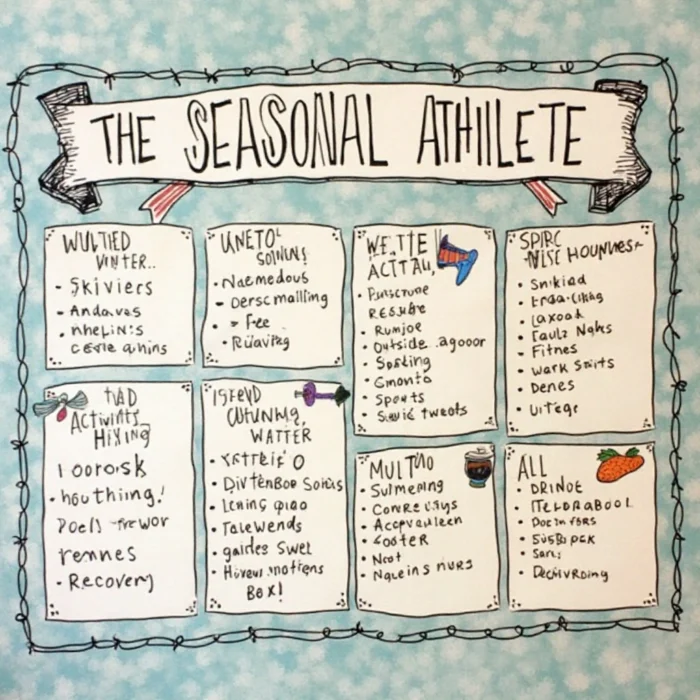
Divided into quarters, this board acknowledges that fitness goals and activities change with seasons.
What to include: Winter activities (skiing, indoor training, strength building), spring activities (running outside again, hiking), summer activities (swimming, outdoor sports, beach fitness), fall activities (trail running, preparation for indoor season). Each season gets its own section with specific goals.
Cyclical mindset: This prevents the “all or nothing” mentality. You’re not abandoning fitness in winter—you’re shifting focus to strength training. You’re not lazy in summer—you’re emphasizing outdoor movement and recovery. Every season has its fitness purpose.
10. The Recovery and Restoration Board
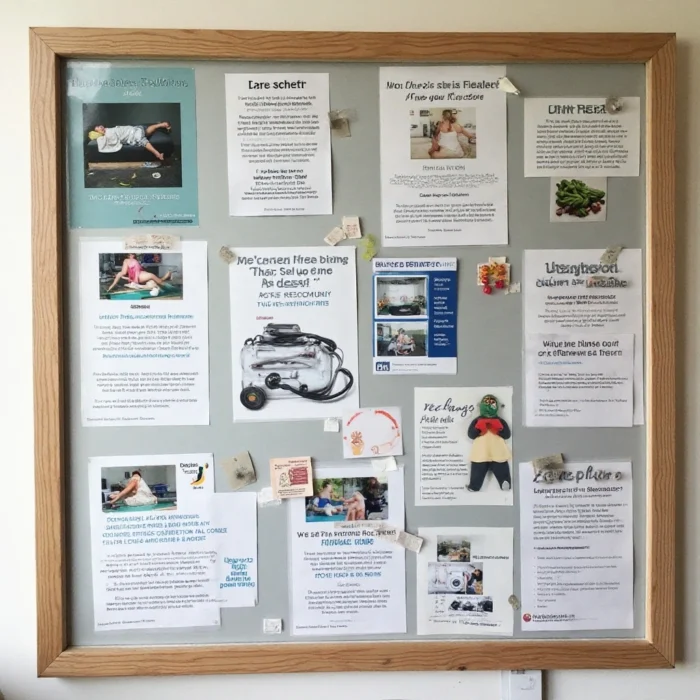
Often overlooked, this board prioritizes rest as essential to fitness.
What to include: Images of quality sleep, foam rolling, stretching, massage, ice baths, saunas, rest days, active recovery, mobility work, meditation, and stress management. Include the science behind muscle growth (which happens during rest, not training).
Counter-cultural message: In a fitness culture obsessed with “no days off” and “no pain, no gain,” this board reminds you that recovery IS training. Include permission statements: “Rest is productive.” “Recovery builds strength.” “Listening to my body is wisdom, not weakness.”
11. The Social Fitness Board
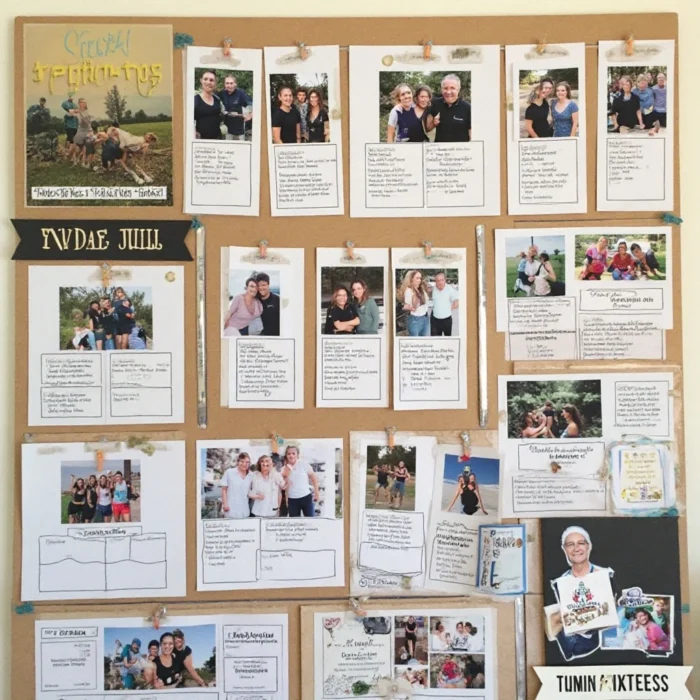
For those motivated by community and connection.
What to include: Group fitness classes, running clubs, sports teams, workout buddies, fitness challenges with friends, hiking groups, accountability partners. Include images of people laughing during workouts, celebrating together, supporting each other.
Accountability structure: Include a section with contact information for workout partners, class schedules, group challenge start dates, and social commitments. When fitness is a social obligation, you’re less likely to skip.
12. The Comeback Board
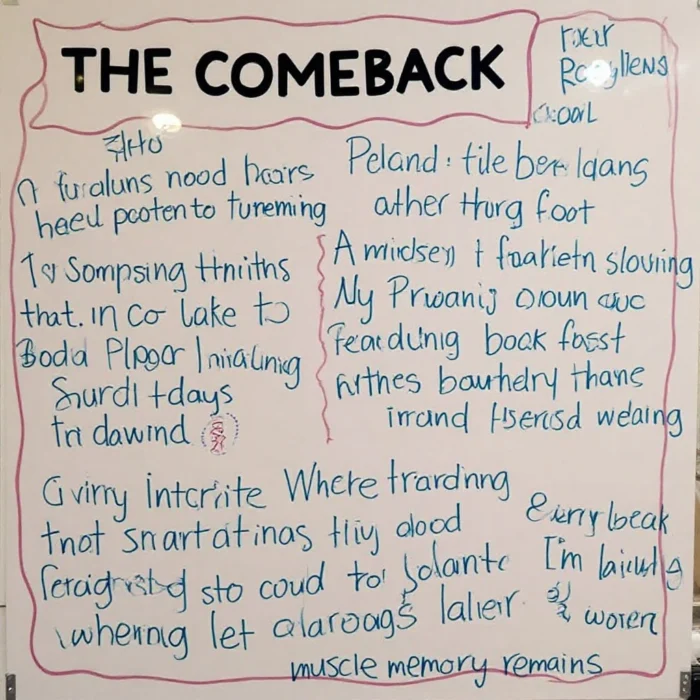
For those returning to fitness after injury, illness, pregnancy, or a long break.
What to include: Progressive return images—starting slow, building gradually, celebrating small wins. Include inspiring comeback stories, rehabilitation exercises, patience reminders, and realistic timelines. Most importantly, include images celebrating where you ARE now, not just where you’re going.
Compassion focus: Add affirmations about self-compassion. “My body is healing.” “Progress isn’t linear.” “Every workout is a victory.” “I’m rebuilding, not starting over—my muscle memory remains.”
13. The Competition Prep Board
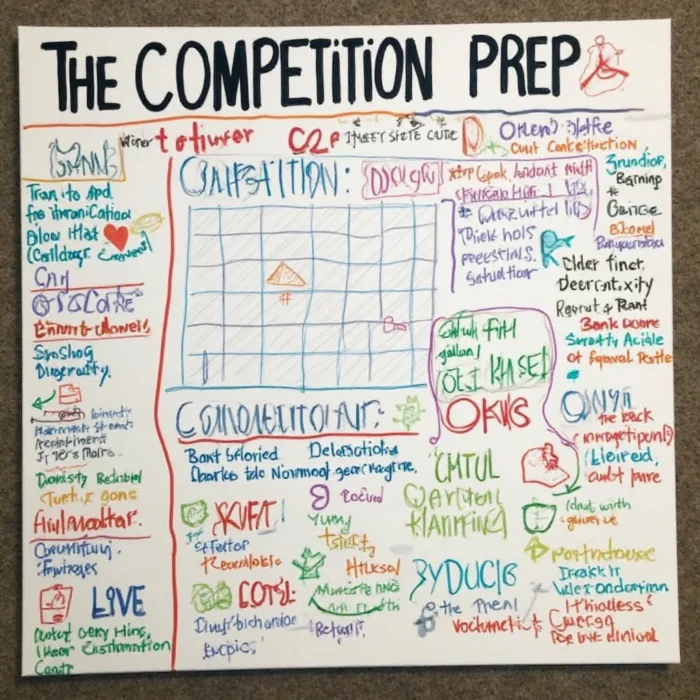
For those training for a specific event or competition.
What to include: Competition date, countdown calendar, periodized training phases, peak week strategies, nutrition timing, visualization of competition day, what success looks like, backup plans for obstacles, competition gear, registration confirmation, travel plans.
Mental rehearsal: Include a detailed visualization script of competition day—from wake-up to finish. The more your brain rehearses success, the more automatic your performance becomes under pressure.
14. The Holistic Wellness Board
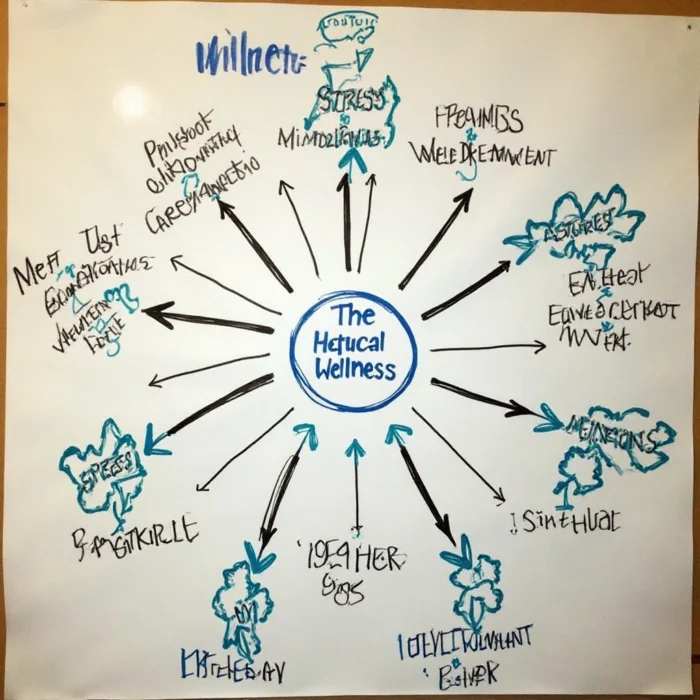
Fitness as one part of comprehensive health.
What to include: The wellness wheel—physical fitness, nutrition, sleep, stress management, social connection, mental health, spiritual practice, personal growth. Show how fitness connects to and enhances every other area. Include meal planning, hydration goals, sleep hygiene, mindfulness practices.
Integration message: Use connecting lines or arrows showing how improving fitness improves sleep, how better sleep improves workout performance, how workout endorphins improve mood, how better mood improves relationships. Visualize the positive cascade effect.
15. The Home Workout Sanctuary Board
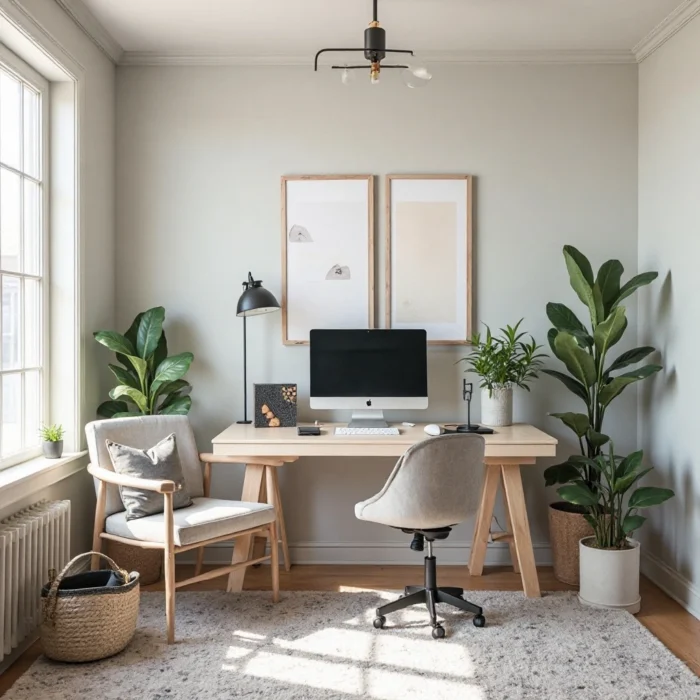
For those building a sustainable home fitness practice.
What to include: Your ideal home workout space (even if it’s just a corner of your living room), equipment you own or want, 15-minute workout routines, bodyweight exercises, minimal equipment workouts, flexibility routines, online class schedules, playlists.
Accessibility focus: Include images proving you need NOTHING to start. Stairs for cardio, walls for push-ups, chairs for dips, counters for stretching. This board eliminates the “I don’t have access to a gym” excuse.
16. The Strength Journey Board
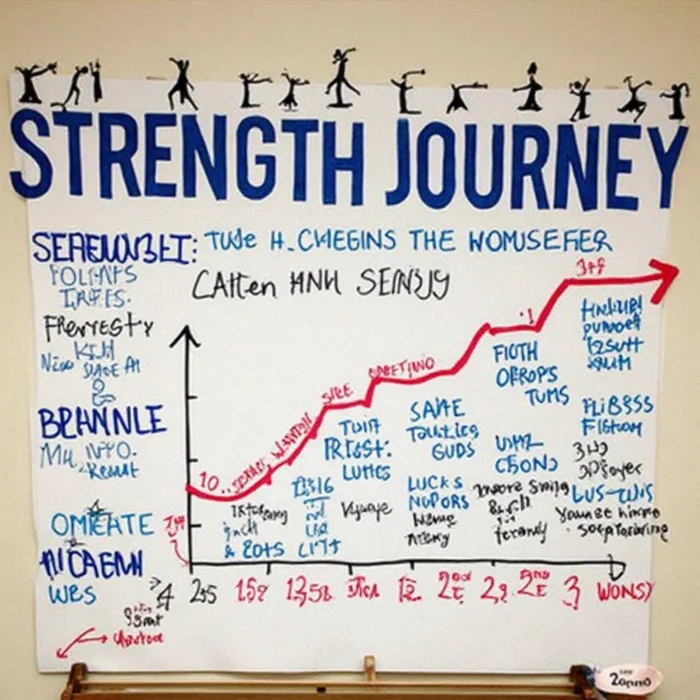
Specifically focused on progressive strength training.
What to include: Your starting lifts vs. goal lifts, progressive overload principles, compound movement progressions (squat, deadlift, bench press, overhead press), muscle group development, strength programming phases, form cues, powerlifting or Olympic lifting inspiration if applicable.
Concrete metrics: Unlike many fitness goals, strength is precisely measurable. Create a chart showing your planned progression: “Deadlift: 135 lbs → 155 → 175 → 200 → 225.” Seeing the pathway makes the destination achievable.
17. The Flexibility and Mobility Board
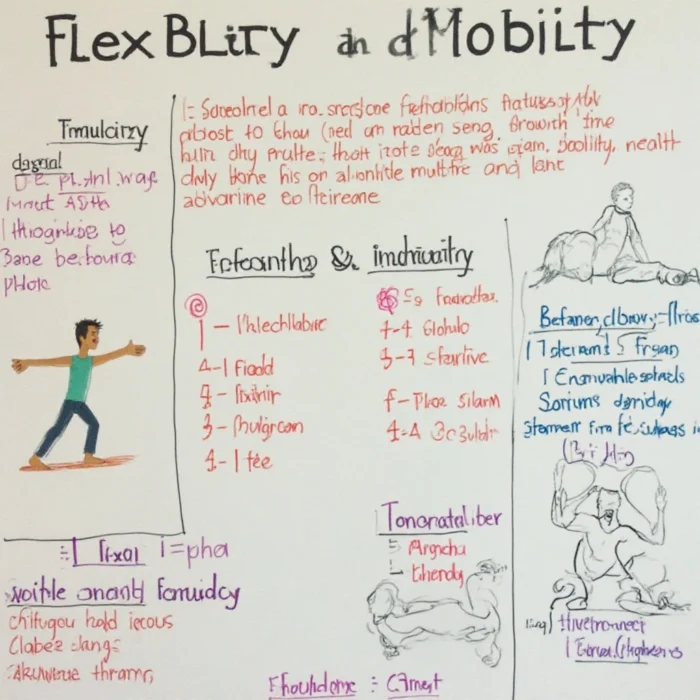
For those working toward specific mobility goals.
What to include: Stretching sequences, yoga poses you’re working toward, splits progression, shoulder mobility, hip flexibility, spinal health, foam rolling routines, the science of fascia and connective tissue, before-and-after flexibility comparisons.
Daily practice visualization: Include a morning and evening mobility routine mapped out visually. Make it so clear and appealing that you can follow along directly from your board.
18. The Identity Transformation Board
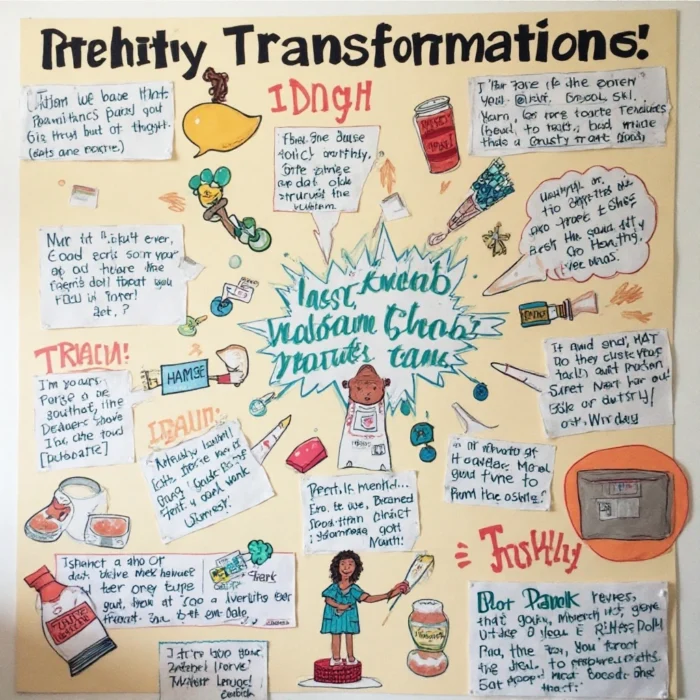
This board is about becoming a new version of yourself.
What to include: Identity statements written in present tense. Not “I want to be a runner” but “I am a runner.” Include images of the daily habits of the person you’re becoming. What does this person eat for breakfast? How do they spend Sunday mornings? What’s in their gym bag? How do they handle setbacks?
Identity over outcome: James Clear’s research shows that identity-based goals are more sustainable than outcome-based goals. This board doesn’t focus on losing 20 pounds—it focuses on becoming the type of person who makes healthy choices automatically.
19. The Anti-Diet Fitness Board
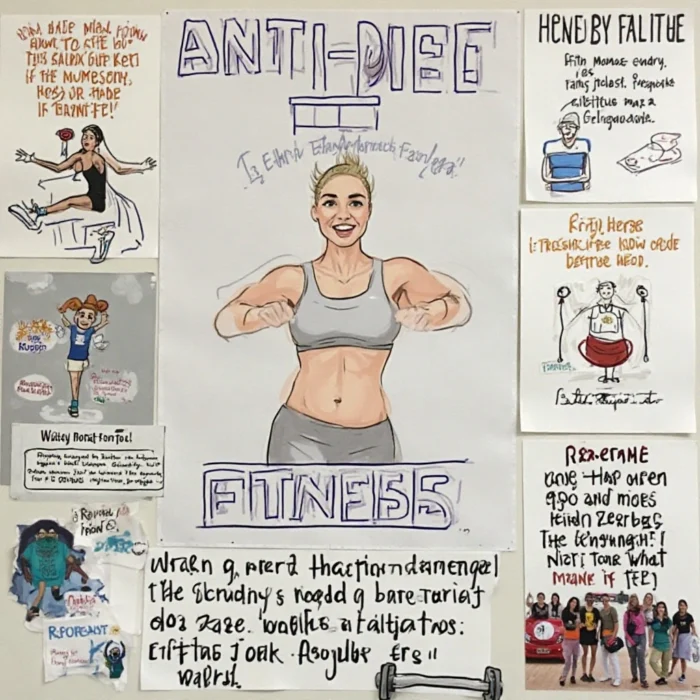
For those embracing fitness from a body-positive, health-at-every-size perspective.
What to include: Joyful movement images—dancing, playing, swimming for fun, hiking, stretching, sports you genuinely enjoy. Include diverse body types engaged in fitness, intuitive eating principles, the difference between health behaviors and weight loss, performance goals unrelated to appearance.
Reframe everything: Instead of “before/after,” use “always worthy.” Instead of “lose weight,” use “gain strength, energy, flexibility, confidence, peace.” Instead of “fixing” your body, celebrate what it can already do.
20. The Bucket List Fitness Board
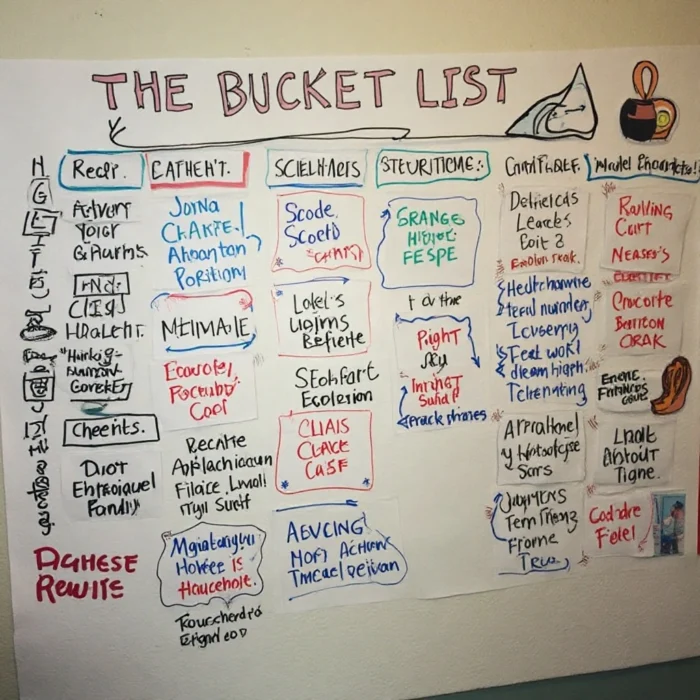
Ultimate long-term vision spanning years or decades.
What to include: Your fitness bucket list—running a marathon in every state, hiking the Appalachian Trail, doing a Tough Mudder, learning to surf, completing an Ironman, doing a pull-up, mastering crow pose, whatever YOUR dreams are. Include timeline ranges, preparation requirements, training phases.
Legacy perspective: Add images or thoughts about your future legacy. What will you be proud of accomplishing? What stories will you tell? What will you inspire others to attempt? This board spans beyond six-month goals into lifetime achievements.
How to Build Your Vision Board for Maximum Impact
Choose Your Medium
Physical boards offer tangible interaction. Cork boards, poster boards, or magnetic boards work beautifully. You physically cut, arrange, and pin—a meditative process that deepens your connection to each element.
Digital boards offer flexibility. Use Pinterest, Canva, or simple PowerPoint slides. These can be your phone wallpaper, computer background, or digital photo frame content—putting your vision in front of you constantly.
Hybrid approach might be most powerful. Create a physical board for your primary space, but photograph it and use it as your phone lock screen. Your vision becomes impossible to ignore.
The Strategic Placement Rule
Your vision board must be somewhere you see it DAILY, preferably MULTIPLE times daily. The bathroom mirror, bedroom wall opposite your bed, home office, kitchen—wherever your eyes land regularly. A vision board hidden in a closet becomes a wishful thinking board that produces no results.
The Quarterly Evolution Method
Every three months, review and refresh your board. Add new inspiration, remove what no longer resonates, update with progress photos, celebrate completed goals by moving them to a “Victories” section. Vision boards shouldn’t be static—they should evolve as you do.
The Five-Minute Daily Practice
Every morning or evening, spend five minutes with your board. Not just glancing—actually engaging. Visualize yourself in those scenarios. Feel the emotions of achievement. Imagine the specific sensations of crossing that finish line, lifting that weight, or feeling that energized. This daily visualization practice activates the same neural pathways as actual practice.
Common Vision Board Mistakes (And How to Avoid Them)
Mistake #1: Too vague. “Get fit” means nothing to your subconscious. “Run a 5K in under 30 minutes by June 15th” gives your brain a specific target to work toward.
Mistake #2: All destination, no journey. If your board only shows the end result, you’ll feel discouraged by the gap between here and there. Include images of the process—workouts, meal prep, early morning dedication, rest days, progression photos.
Mistake #3: Someone else’s goals. Don’t put images of bodybuilders if that’s not your goal. Don’t include marathon running if you hate running. Your board must reflect YOUR authentic desires, not fitness industry standards or social media trends.
Mistake #4: No emotional connection. Clinical images of exercises won’t motivate you. But a photo of YOUR child waiting at a finish line? Your dream hiking destination? The outfit hanging in your closet you want to wear confidently? That emotional charge is what drives behavior change.
Mistake #5: Creating it and forgetting it. A vision board is not a one-time craft project. It’s a daily tool requiring regular interaction and updating. Set phone reminders if needed: “Spend 5 minutes with your vision board.”
Taking Action: Your Next Steps
Creating a vision board is the beginning, not the end. Here’s how to translate vision into reality:
Step 1: Choose which of the 20 board concepts (or combination) resonates most with your current goals and values. You might create multiple boards for different spaces or combine elements from several concepts.
Step 2: Gather your materials—physical or digital. Block out 2-3 uninterrupted hours. Put on music that energizes you. Make this a meaningful experience, not a rushed task.
Step 3: As you select each image or quote, pause and connect with it emotionally. Why does this inspire you? How will achieving this feel? What will it enable in your life? This emotional imprinting is what makes vision boards effective.
Step 4: Position your board strategically and commit to daily engagement. Set a specific time—perhaps while your morning coffee brews or during your evening wind-down routine.
Step 5: Within 24 hours of completing your board, take ONE small action toward your vision. If it’s a running goal, research a couch-to-5K program. If it’s a strength goal, schedule your first gym session. If it’s adventure-based, research and bookmark potential trips. Immediate action creates momentum.
The Deeper Truth About Fitness Vision Boards
Here’s what most people miss: vision boards don’t magically create results through mystical attraction. They work through psychological priming and behavioral reinforcement. When you consistently expose yourself to images of your goals, several things happen:
Your reticular activating system begins filtering information differently, noticing opportunities and resources related to your goals that you previously overlooked. That running group you’ve walked past for years suddenly catches your attention. That healthy recipe that shows up in your feed suddenly seems appealing.
Your brain begins treating your future self as your current self through repeated visualization, making choices aligned with that identity feel more natural. The person in your vision who wakes up early to exercise? Your brain starts believing that’s who you are NOW, making the 5 AM alarm less jarring.
The gap between current and desired state creates productive cognitive dissonance—discomfort that motivates action to resolve the inconsistency. But only if the vision is compelling enough and visible enough to create that healthy tension.
Your Fitness Vision Is Waiting
The version of you that completes that race, lifts that weight, hikes that trail, plays effortlessly with those grandchildren, or simply moves through life with strength, energy, and confidence—that person already exists in potential form. Your vision board is simply the bridge between potential and reality.
Which of these 20 concepts speaks to you? What images make your heart race with possibility? What goals make you think “I want that” instead of “I should do that”? Start there. The magic isn’t in the board itself—it’s in the daily recommitment to your vision that the board facilitates.
Create your vision board today. Not someday. Not when you’re “ready.” Not when you have perfect materials or inspiration. Today, with whatever you have, wherever you are. Because every single fitness transformation begins not with the first workout, but with the first moment you decide to see yourself differently.
Your future self is counting on you to take this first visual step. What will you create?
NOTE: The images just ideas so if you cant read the words, just take ideas of boards